§179, §280F, OBBB §163(h)(4), platform fees, per-vehicle P&L — automated. The tax optimization platform built for fleet operators.
Spreadsheets weren't built for fleets. Generic accounting software doesn't know what a 1099-K is, let alone how to reconcile one against Plaid feeds. Here's what most Turo hosts struggle with by year two.
§179 caps, §280F luxury limits, bonus depreciation stacking, mid-quarter convention rules. One spreadsheet error wipes thousands off your deduction — and most CPAs charge you to find their own mistakes.
Turo nets out fees before they pay you. Your bank shows the net, the 1099-K shows the gross, and the math has to tie out to the penny. Without per-vehicle tagging, the audit trail collapses.
Turo's service fees, protection fees, claim fees, and reimbursements all hit your account differently. Categorize them wrong and you under-report revenue OR over-deduct expenses — both flag audits.
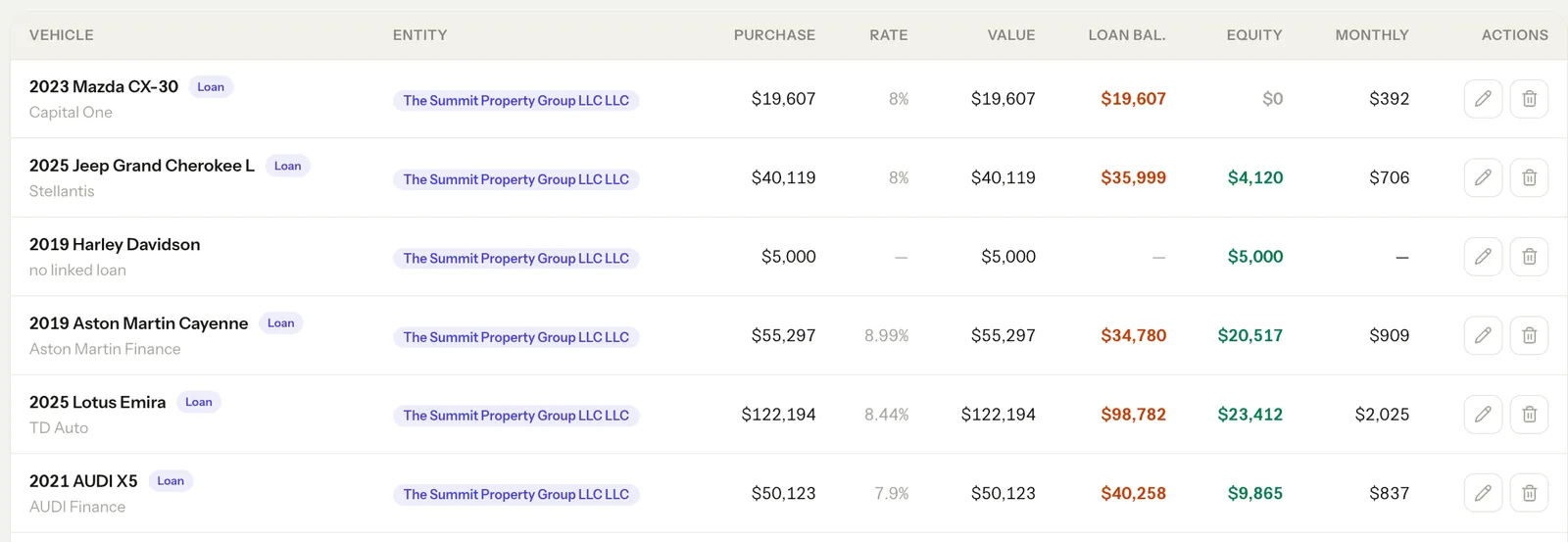
HaraPro models every line below against your actual entity data, vehicle list, and federal + state forecast. No spreadsheets. No "ask your CPA next April."
A real Turo host running 12 vehicles cut monthly reconciliation from 9 hours to 40 minutes. §179 depreciation, OBBB §163(h)(4) car loan interest, platform-fee categorization, and vehicle-level P&L now run automatically.
OBBB §163(h)(4) lets you deduct up to $10,000/year in car loan interest on US-assembled vehicles. The deduction sunsets December 31, 2028. Three tax years left.
Starter is enough if you run one LLC with all your vehicles inside. Pro is required if you split vehicles across multiple LLCs for liability isolation.
Most Turo hosts don't. A single LLC can hold multiple vehicles, and HaraPro tracks per-vehicle P&L inside that one entity. You only need separate LLCs when liability isolation matters — for example, very high-value vehicles or hosts in litigious states. Talk to a tax attorney before splitting your fleet across entities.
§179 lets you deduct the full purchase price (up to limits) in year one, but the deduction can't create a loss. Bonus depreciation in 2026 is 40% of basis, can create a loss, and applies after §179. For a heavy SUV used >50% for business, the stacking order matters. HaraPro models both and picks the optimal order for your situation.
Turo issues a 1099-K for total earnings. HaraPro reconciles those payouts against your bank deposits, separates platform fees (deductible) from gross revenue, and assigns each transaction to the correct vehicle. You see per-vehicle revenue, fees, and net profit in the dashboard.
GVWR — Gross Vehicle Weight Rating — is on the manufacturer's sticker inside the driver's door jamb. Vehicles with GVWR over 6,000 lbs qualify for §179 heavy SUV treatment. Cayenne, BMW X5, Tahoe, Suburban, and most full-size SUVs clear the threshold. Sedans, hatchbacks, and crossovers under 6,000 lbs fall under §280F luxury auto limits.
No. OBBB §163(h)(4) covers car loan interest only — not lease payments. Leases are deductible separately as a lease expense (subject to lease inclusion rules for vehicles over the §280F threshold). HaraPro categorizes loan vs. lease automatically so you don't accidentally double-deduct.
Yes. Drop your Turo CSV exports or PDF payout statements into HaraPro and the AI classifier categorizes every transaction within minutes. Bank statements get reconciled in parallel. Most hosts have 12 months of history imported and categorized in under an hour.
The full playbook — platform fees, auto loan interest, depreciation, parking, home office.
Free trial. No credit card. 12 months of Turo data imported and categorized in under an hour.
Start Free Today → Read the Playbook →